Ready to become a sustainability leader?
With a wealth of experience, we’re here to support you

World class sustainability consulting

Businesses see their role in sustainability differently. Whatever your starting point, we’ll work with you to set your sights high and get everyone on board. Here are some ways we can help you:

It’s simple. Our clients create more value when they focus on the right priorities. We’ve helped logistics and home appliance companies, asset managers and private equity to pinpoint their opportunities and risks for maximum impact. We can help you too.

Leading the way demands big shifts for business in a fast-paced environment. Our strategic insight into business opportunities and risks helps companies rise to the diversity, nature and net-zero challenges – from private banks to FMCG and pharmaceuticals.

Today’s stakeholders want
more than one-way messaging. Through powerful communication, we’ve helped companies in the travel, pulp & paper and food & beverage sectors build stronger partnerships and grow their reputation.
We are sustainability strategy and communications specialists. We help you take the lead, set priorities, turn challenges into opportunities and build a strong business case. We support you to walk the talk with confidence.

Carlsberg worked with us on their ground-breaking ‘Together Towards Zero’ targets and aligning their sustainability and corporate strategies. With our support, their sustainability communications won awards for clarity and transparency.

A private equity firm with over 100 companies in its portfolio, CVC take risk and opportunity seriously. We helped them navigate a complex materiality assessment and acted as critical friends to their early ESG disclosures.
“From the start, the team were unafraid to ask challenging questions, encouraging us to think in new ways about what climate leadership means.”
Alison Robb –
Sustainability Director

Food processing company Danish Crown accounts for 4% of Denmark’s export earnings. We helped them refine and align their sustainability strategy with global and local SDG impacts.

To help business and governments across Asia partner on the global goals, we helped UNEP produce a quick SDG starter guide with snapshots of partnerships in action.

Edrington owns major brands like The Famous Grouse, Cutty Sark, The Macallan and Highland Park. Using our benchmarking insights they mapped their sustainability journey, engaged stakeholders and strengthened their strategy.

When Electrolux set a goal to cut Group-wide greenhouse gas emissions by 50% by 2020 from 2005 levels, we helped them get the message out to investors and employees.
“One Stone was the catalyst that helped us develop a clear strategy and tie it to the SDGs. More importantly, they really made sustainability come alive.”
Lars Narfeldt –
COO

We worked with this well-known global provider of paper-based products to develop a socially responsible procurement approach that supports company values.

Investors are vital to realising the UN’s Sustainable Development Goals (SDGs). We advised Montanaro’s Better World Fund to maximise its positive impact on the SDGs while it grew from €150m to €600m in three years, winning Investment Week Best Impact Fund in 2019.

Defining and delivering sustainable growth in the digital and media space is a topic high on Next15’s agenda. We designed a materiality process and shaped their sustainability strategy with the aim of redefining success in their sector.

Our global best-practice insights and stakeholder engagement helped Australia’s major trade and logistics gateway operator develop a new sustainability strategy.
“The global One Stone team are some of the best I know in delivering business and sustainability strategy and world-class work.”
Philippe Bernier –
Director Sustainability
As their business sustainability expert advisor, we provide Pawprint with challenge and insights as they aim to engage 1 billion employees to fight climate change at work, home and beyond.

Pharmanovia extend the lifecycle of tried and tested medicines, aiming to reduce cost and resource impact compared to new products. We’re embedding their circular economy thinking in their first sustainability disclosure.

Africa’s leading provider of remote site infrastructure asked us to help them put the UN’s Sustainable Development Goals at the heart of their business. We ensure their materiality process is robust, their SDGs align and they report on progress transparently. Recently they received a UN Global Compact SDG pioneer award.

For power provider SSE we acted as a ‘critical friend’ and reviewed their external sustainability communications to keep them engaging and accurate.

With our help, this worldwide cultural icon became the first major Australian arts institution to publicly support and integrate the UN’s Global Goals, winning the 2021 NSW Banksia Large Business Transformation Award.

Our insight and acumen helped Triton, a private equity firm, secure a large ESG lending facility. The primary lending bank described the ESG analysis and communication we developed as the best data-driven disclosure they had seen.

For five years, the world’s No.1 travel & tourism company relied on us to ensure their sustainability report captured their priorities and challenges clearly and honestly, winning a World Responsible Tourism Award for excellence and transparency.
“One Stone provided invaluable thinking to show the ESG impact our investments make. This proved to be key in securing €1.455bn for our first ESG-linked lending facility.”
Graeme Ardus – Head of ESG

Ready to become a sustainability leader?
With a wealth of experience, we’re here to support you

As trillions flood into the low-carbon, sustainable economy, we help the financial community make their decisions matter. From banking to asset management and private equity to lending, we’ve helped financial institutions identify ESG priorities, set Science Based Targets, analyse data for ESG impact, and engage with their customers and investors for maximum ESG benefit.
We’re the expert editorial team behind several sustainable business books on corporate transformation, inclusive and purposeful leadership, and making the business case for sustainable development. Our handbook, Creating a Culture of Integrity, sets out key stepping stones to a more responsible business.

How do businesses choose which Sustainable Development Goals to work with? We helped dozens of companies design their SDG strategies. Our analysis for Carlsberg Group identified which SDGs contributed directly to their ‘Together towards zero’ targets, and which Goals are integrated in innovative ways across the business. The focus and clarity of this communication earned Carlsberg an SDG reporting award.
Over the years we’ve helped major Nordic brands Atlas Copco, Electrolux, Ericsson, Scania and Tetra Pak build the sustainability leadership they’re famous for. They draw on our expertise to refresh corporate purpose, set strategic goals and embed business ethics; we also help them advance stakeholder engagement, analyse materiality and deliver award-winning reports.

As a B Corp, we’re generous with our pro bono time. Our CEO chairs the Macaulay Development Trust, which funds research into sustainable land use and hosts Scotland’s premier science lecture. At Cop26 in Glasgow, Dame Christiana Figueres, architect of the Paris Agreement, took to the stage with Scotland’s First Minister Nicola Sturgeon. It was described as a highlight of COP 26.
With our combination of strategic, business, ESG and sustainability know-how, we are in demand on public, private and not-for-profit boards. Our non-executive experience helps us provide boards with succinct, decision-ready advice, so they can do their job effectively.
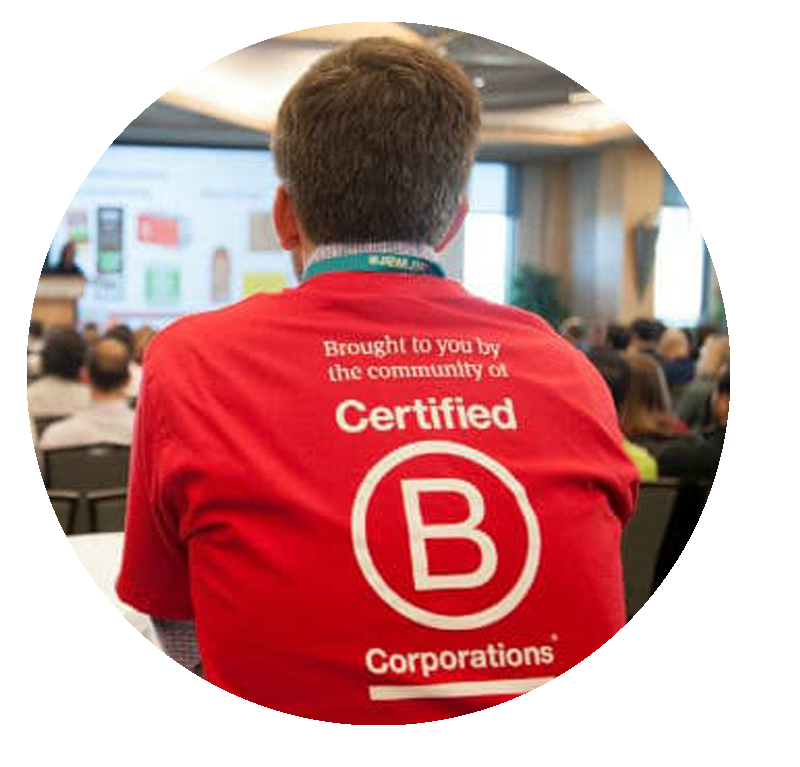
One Stone is a founding B Corp and a Best for the World honoree. Our CEO is a B Corp Ambassador and co-chaired B Local Scotland. We led an SDG 12 hackathon to inspire the B Corp community to think creatively. The waste-busting re-usable tampon applicator developed by hackathon winner DAME has prevented over 6 million tampon applicators from entering the waste stream. Great result!
Meet our worldwide team – with expertise in everything from climate risk and ESG strategy to clear messaging and sustainable finance.
Fran’s forte is helping ambitious sustainability leaders focus on the things that matter most, especially when it comes to sustainability opportunities and risks. At C-suite and senior level, she asks the right questions, guides priority-setting and helps turn vision to reality.
Fran is Deputy Chair of the Scottish Environment Protection Agency, chairs the Macaulay Development Trust and served on Montanaro Asset Management’s Advisory Committee.
Mission
To help companies become more effective sustainability leaders
To integrate the SDGs into your strategy, talk to Andrea. She’s an expert at helping senior management map and prioritize the Goals for better business planning and company-wide engagement. Her sustainability know-how and fluency with the 2030 Agenda will add focus, value and credibility to any project.
Our Story
One Stone founders Fran and Andrea share a vision to turn sustainability challenges into lasting value for our clients.
Over the last decade, we’ve moved corporate sustainability thinking from the fringe to core business strategy and have helped companies from many sectors become more effective sustainability leaders.
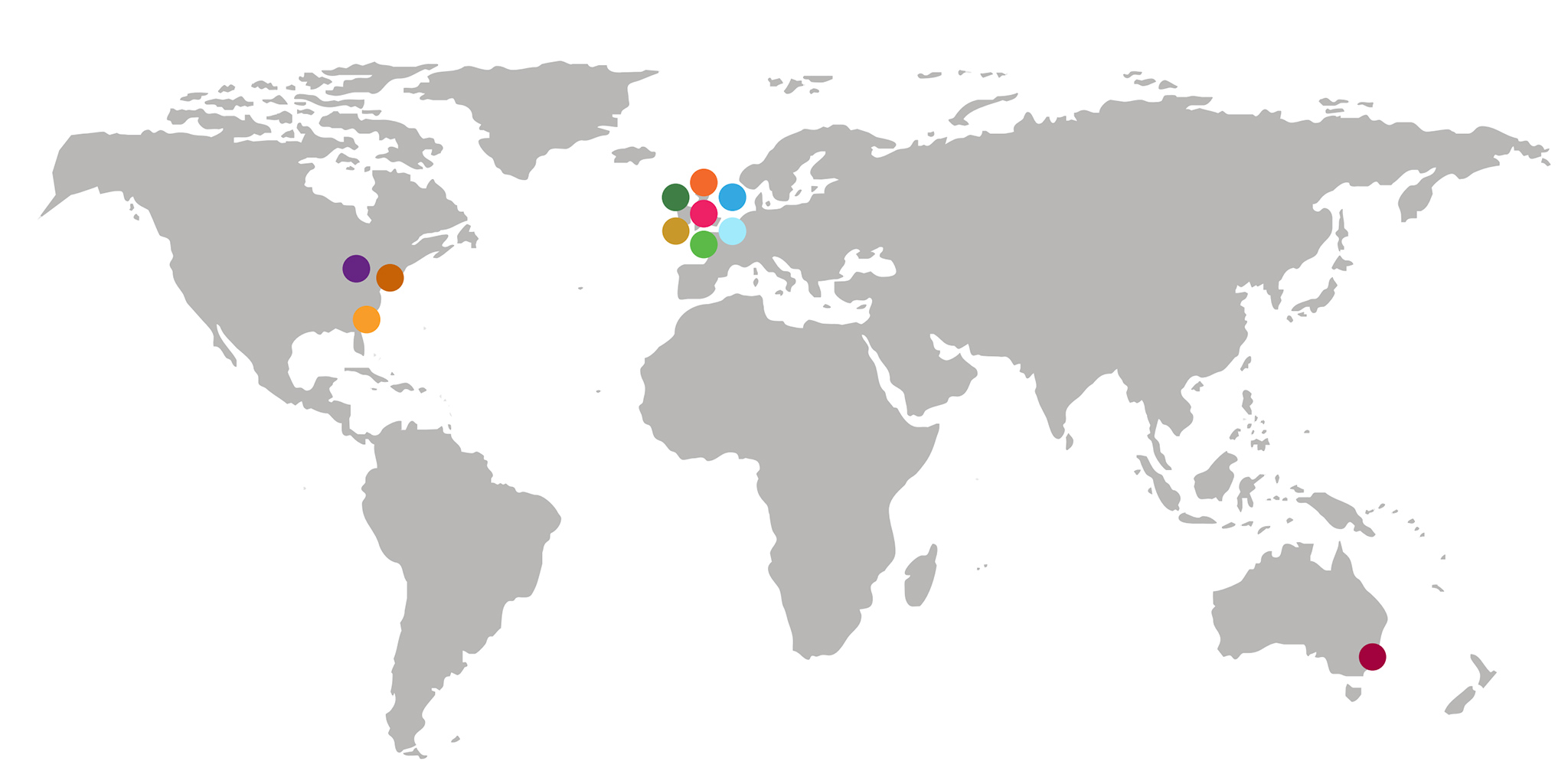
Today, we’re active in multiple markets with One Stone Advisors Ltd and One Stone Advisors Pty Ltd serving a global portfolio of clients, supported by a worldwide network of Associates.
Why One Stone?
‘One Stone’ embodies sustainability: a natural resource and humankind’s first tool. With stones you can build, create, connect, communicate. The Earth is our stone and we only have one.

Want a closer look at our work? Tap into the valuable insights in our SDG briefings and get inspired by our client projects.
The global goals are a plan to achieve a better future for all and leave no-one behind. SDG leaders go beyond responsible business practice by finding opportunities to connect core business success with the goals. Read this briefing to find out how.
What can we learn from early adopters on how to deliver and communicate effectively on the Global Goals? Our handy guide identifies three key steps to help you manage and report better on the SDGs.
Consumer-facing businesses can influence how products are made and guide how people spend their money, putting them in the driving seat to champion the SDGs along the value chain. Who’s taking the lead?
Funding the transition to a sustainable global economy by 2030 requires vast amounts of capital and offers huge opportunities. Find out how leading players in banking, insurance and investment are showing the way.
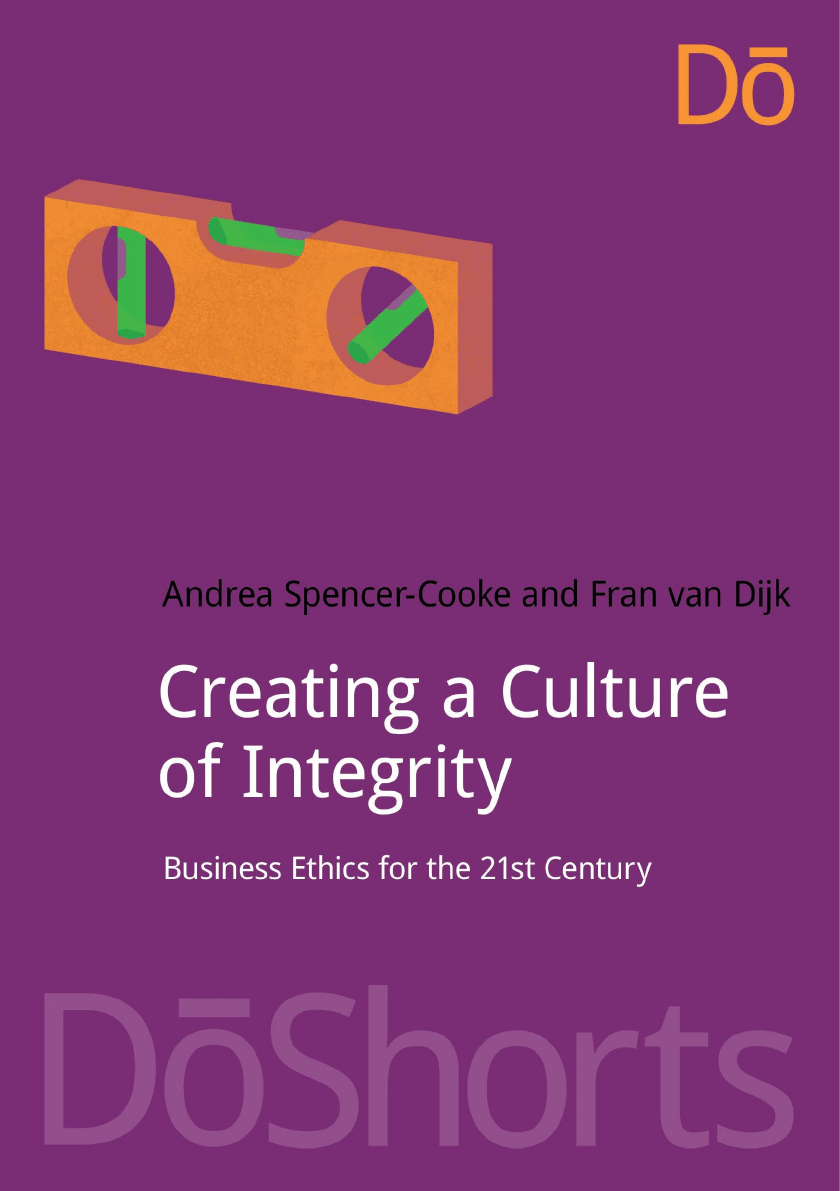
Responsible business practice grows out of a strong culture of integrity, not simply a suite of policies. Packed with useful tips and good examples, this slim, easy-to-read manager’s guide describes the steps companies need to take.
This publication is available to download here
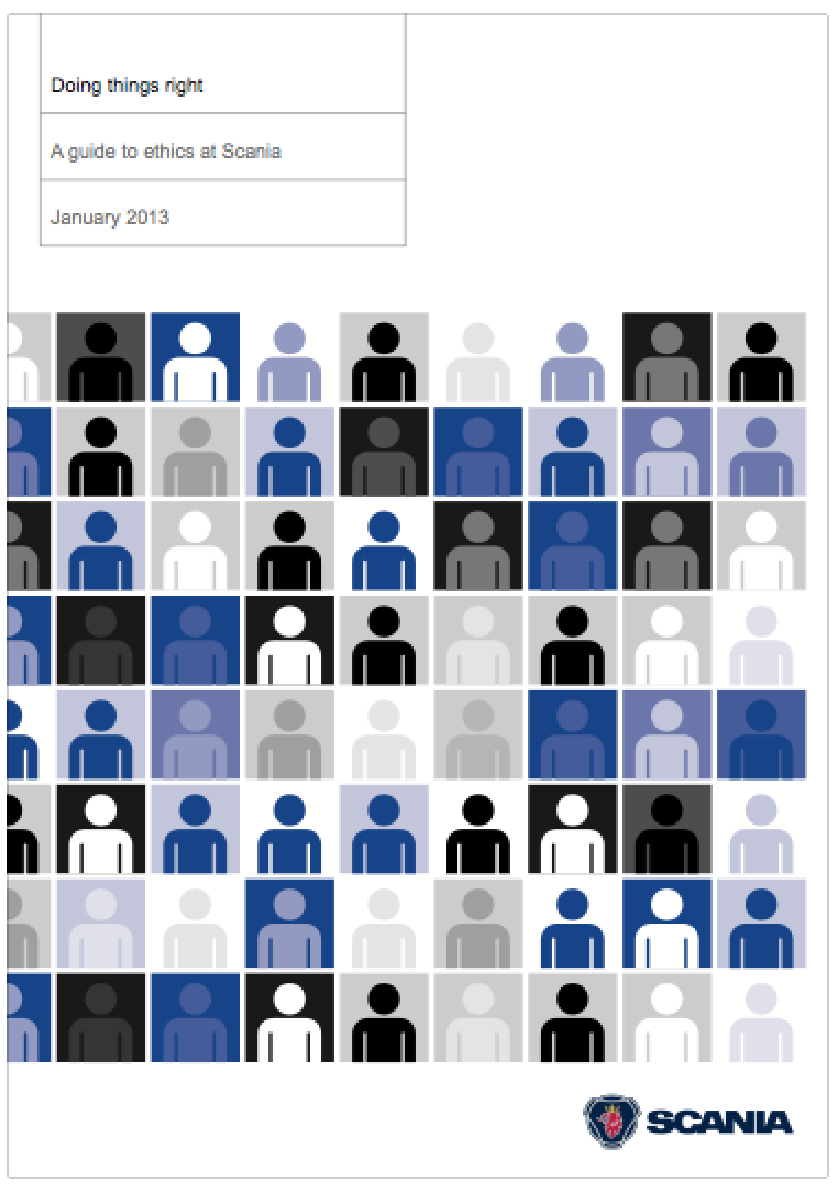
Check out Scania’s easy-to-read responsible business guide.
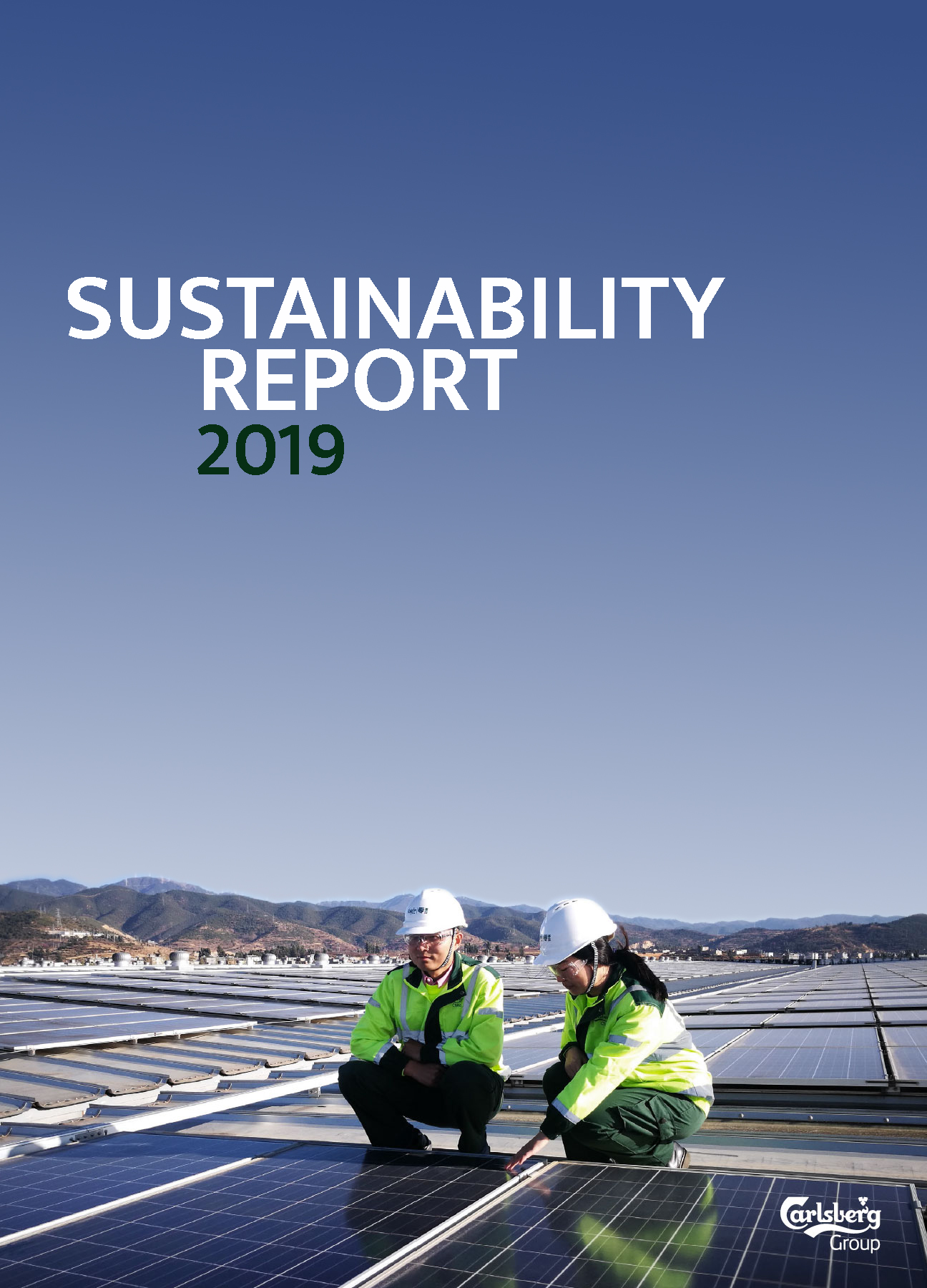
Carlsberg Group’s sustainability reports show how disclosure can be accurate, accessible, engaging and yes, fun.
Download the report direct form Carlsberggroup.com here. (13MB)
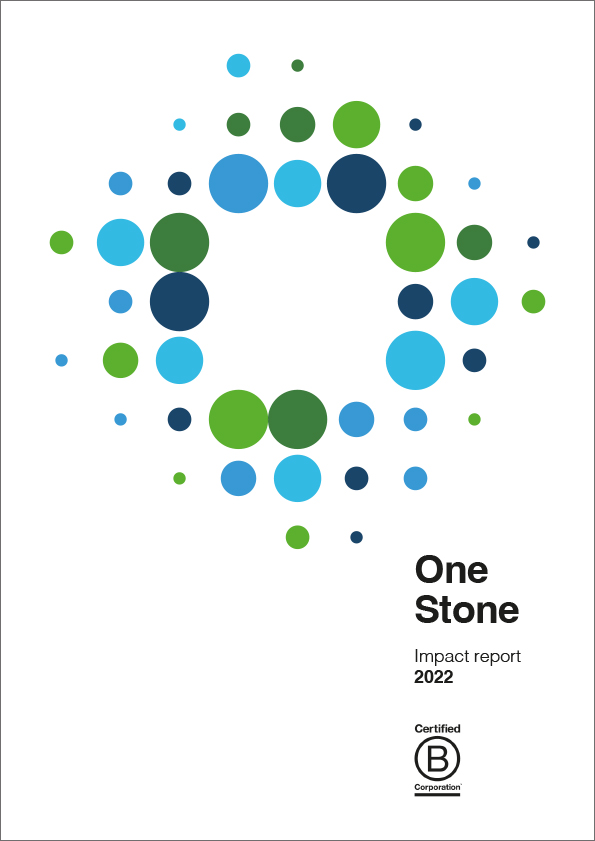
Delve into our second impact report to find out how we live our mission, our own impact as a business and what happens when we help companies become more effective sustainability leaders.